
This month in September, I’ll be doing something that makes me both excited and a little scared.
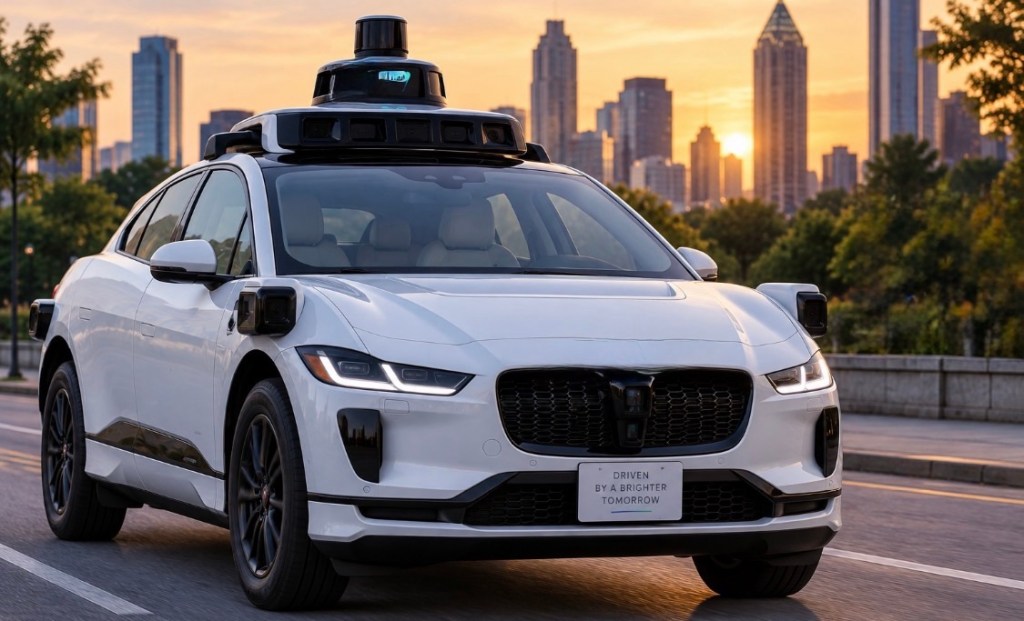
I’m going to ride in an autonomous vehicle in Georgia.
Think about that.
We are moving from talking about artificial intelligence on our computers to trusting it on our roads.
Autonomous vehicles have enormous potential. They could provide independence to elderly people and people with disabilities, change how goods move across the country, improve transportation in underserved areas, and potentially reduce some accidents caused by human error.
That is exciting.
But there is another side of this conversation we cannot ignore:
What happens to the people who drive for a living?
Truck drivers.
Long-haul trucking could be significantly changed by autonomous technology. Perhaps humans will continue handling complicated city driving, loading, inspections, emergencies, or the beginning and end of routes while autonomous systems handle portions of highway travel.
But if one person can eventually supervise multiple autonomous trucks, we have to acknowledge what that could mean for traditional driving jobs.
Taxi and rideshare drivers.
If autonomous taxis become common and affordable, fewer human drivers may be needed. For people who depend on rideshare or taxi work as their primary income or simply to make ends meet that transition could be significant.
Delivery drivers and couriers.
Autonomous vans, sidewalk robots, drones, and other technologies could eventually handle portions of deliveries. Humans may still be necessary for complex deliveries and customer interaction, but the job itself could change dramatically.
Bus, shuttle and transit drivers.
Public transportation may also become increasingly automated. Human workers could shift toward passenger assistance, safety, supervision, accessibility, and fleet operations but again, that means jobs changing.
And then there are school bus drivers, airport shuttle drivers, medical transportation drivers, chauffeurs, construction drivers, warehouse transportation workers and many others.
This is not a small group of people.
These are people supporting families, paying mortgages, sending children to college and planning for retirement.
We cannot simply tell them:
“Technology changed. Good luck.”
New Jobs Will Be Created. But That Isn’t the Whole Answer.
Autonomous transportation could create entirely new careers.
Fleet technicians. Remote vehicle operators and assistants. Safety specialists. Vehicle maintenance technicians. Mapping and logistics professionals. Cybersecurity specialists. Dispatch and fleet management. Sensor and robotics technicians. Infrastructure workers.
And jobs we probably haven’t even imagined yet.
That’s good.
But saying “AI will create new jobs” doesn’t automatically solve the problem.
A 50-year-old truck driver who has spent decades building a career cannot simply wake up Monday morning and become an AI engineer.
Nor should we expect everyone to.
If autonomous transportation creates enormous wealth and productivity, then some of that benefit should help the people whose jobs are disrupted by it.
That means real retraining programs, affordable education, transition assistance, apprenticeships and new career opportunities that ordinary working people can realistically access.
And Then There Is Safety.
We also have to keep asking difficult questions.
What happens when an autonomous vehicle makes the wrong decision?
Who is responsible when something goes wrong?
The manufacturer?
The software company?
The owner?
The passenger?
How much human oversight should remain?
And how safe is safe enough before we put millions of autonomous vehicles on public roads?
These questions aren’t arguments against innovation.
They are arguments for responsible innovation.
I am genuinely excited to experience autonomous driving for myself in September.
Am I nervous?
Absolutely.
But perhaps that’s a healthy place to be with AI.
Curious enough to explore it.
Excited enough to imagine what it can become.
Cautious enough to question it.
And responsible enough to think about the people affected by it.
We should build the autonomous future.
We should embrace technology that makes transportation safer, more accessible and more efficient.
But efficiency cannot be the only measurement of progress.
If AI makes companies more productive but leaves millions of working people wondering how they’re going to support their families, we haven’t solved the entire problem. We’ve created another one.
Technology should move humanity forward.
Not leave humanity behind.


You must be logged in to post a comment.